Pond Shoreline Rock Erosion Control Near Lincoln Nebraska
Pond banks erode quietly. It happens a little at a time - soil loosens, the edge softens, and before long you've got a muddy, unstable shoreline that keeps getting worse. Left alone, that erosion doesn't stop on its own.
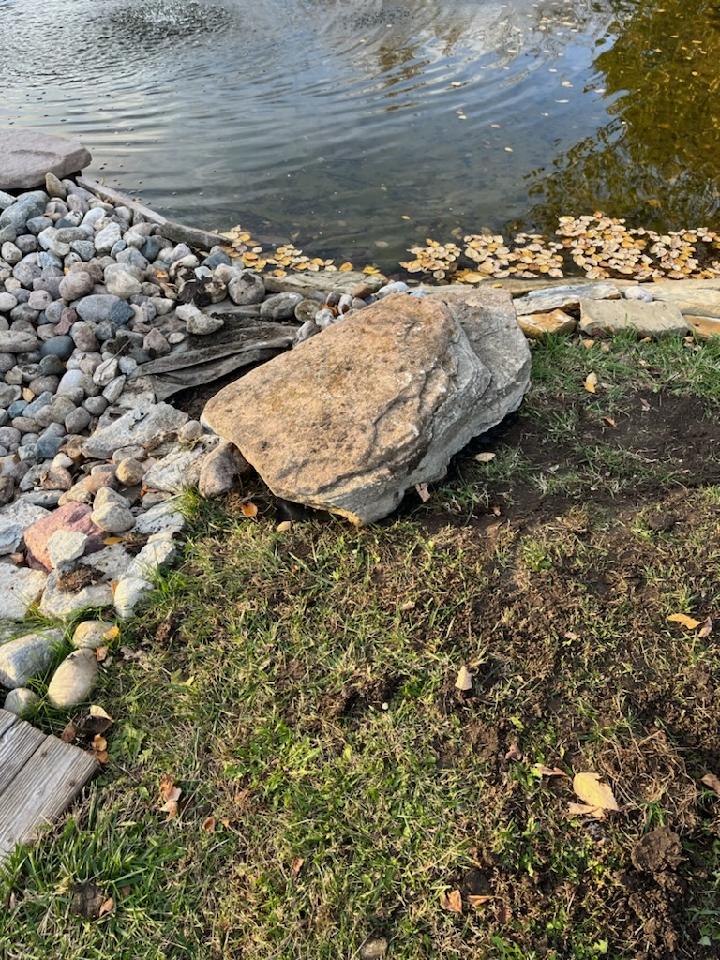
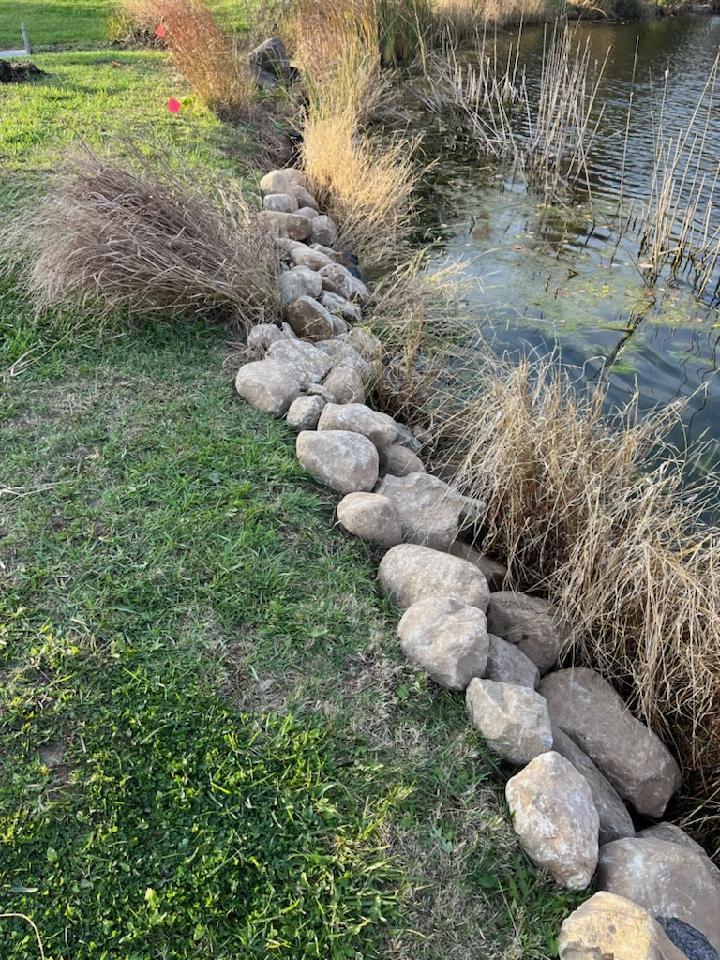
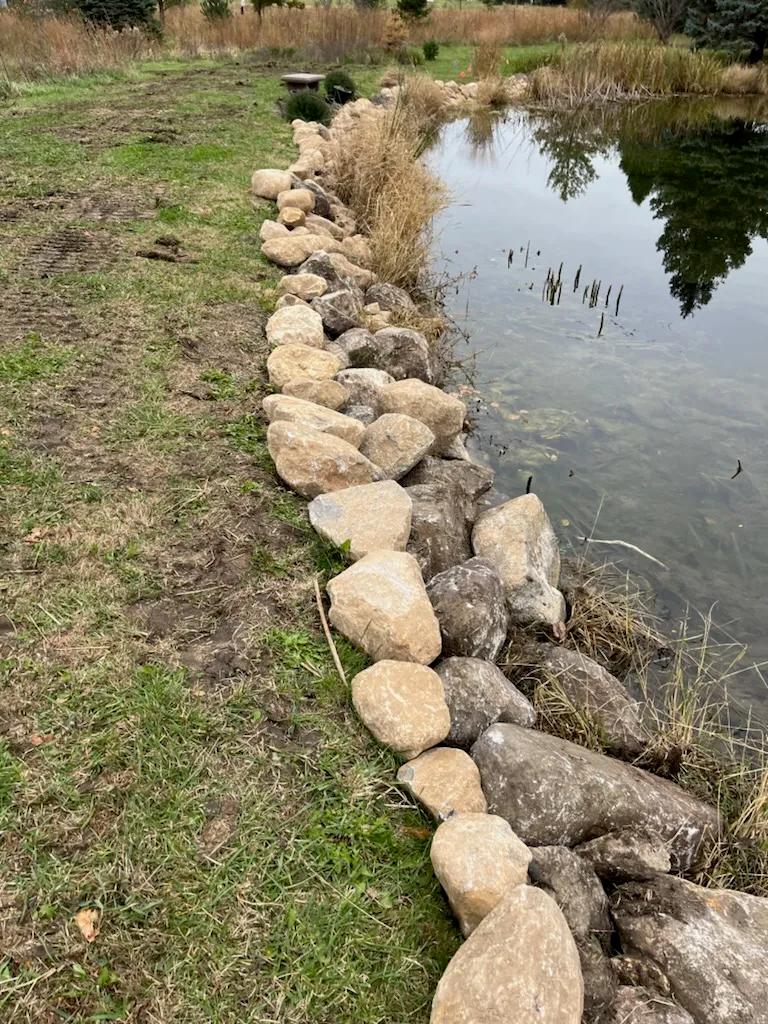
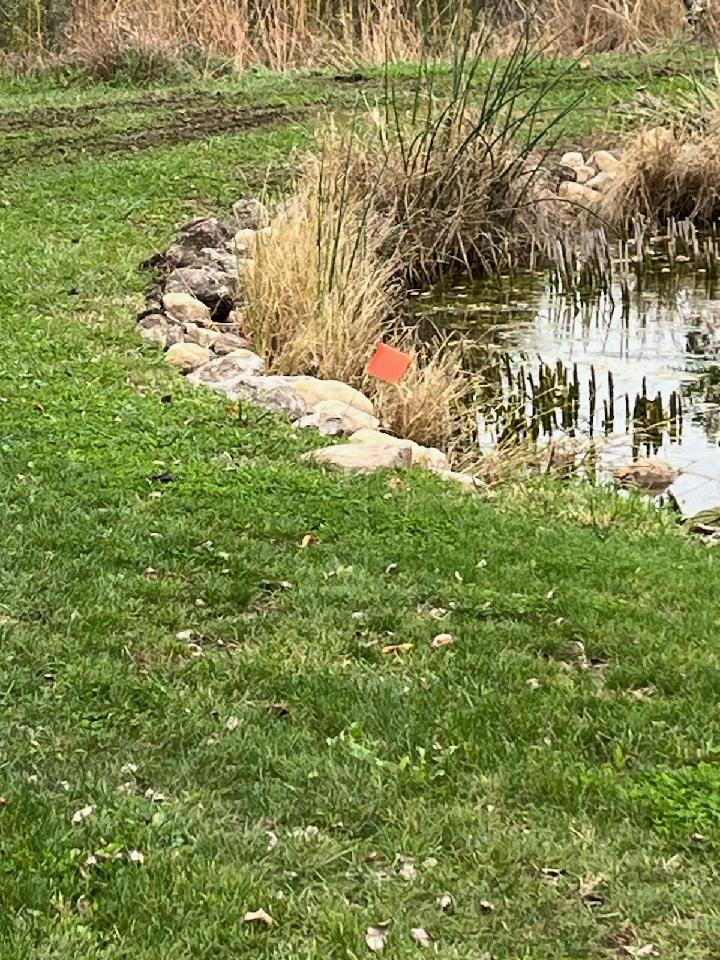
We worked on a pond near Lincoln, Nebraska where the bank needed some real help. The fix was straightforward but done right - placing rock along the shoreline to lock the bank in place and stop the erosion cycle. No fancy engineering. Just solid shoreline restoration work using the right material in the right spots.
The rock does a few things at once. It holds the soil where it belongs, absorbs wave energy so the bank doesn't keep undercutting, and blends in naturally with the surrounding landscape. The native grasses already growing along the edge work alongside the rock - their root systems add another layer of stability below the surface. That combination is exactly what good ecological restoration looks like in practice.
One thing worth noting - this isn't just about appearances. A washed-out shoreline can get expensive to ignore. Sediment runoff muddies the water, damages pond health, and the more the bank erodes, the bigger the repair job becomes. Getting rock on it early is a simple, cost-effective way to protect what you've got.
If your pond edge is starting to wash out or you've noticed the bank getting soft and uneven, it's worth getting eyes on it before it gets worse. We're happy to take a look and talk through what shoreline restoration might make sense for your property.